
We continue to be fascinated by the curious and critical natural processes that produce the energy source that sits at the centre of our business.
Here are 5 things that you probably didn’t know about the otherworldly characteristics of serpentenisation.
- Hydrogen Production
Serpentinisation is a geological process that produces hydrogen. When ultramafic rocks, rich in olivine and pyroxene, interact with water, they undergo chemical reactions that release hydrogen gas. This makes serpentinisation a natural source of hydrogen, which has potential implications for sustainable energy. - Transforms original minerals into unique minerals During serpentinisation, original minerals in the rock are transformed into serpentine minerals, such as lizardite, chrysotile, and antigorite. This transformation often results in the creation of strikingly green, fibrous, or platy mineral formations, which are not only scientifically interesting but also visually captivating.
- Can support unique microbial life forms in extreme environments. The hydrogen and methane produced during serpentinisation can support unique microbial life forms in extreme environments. These chemosynthetic microbes use hydrogen as an energy source, making serpentinisation a key process in sustaining life in deep-sea hydrothermal vents and potentially other planetary bodies.
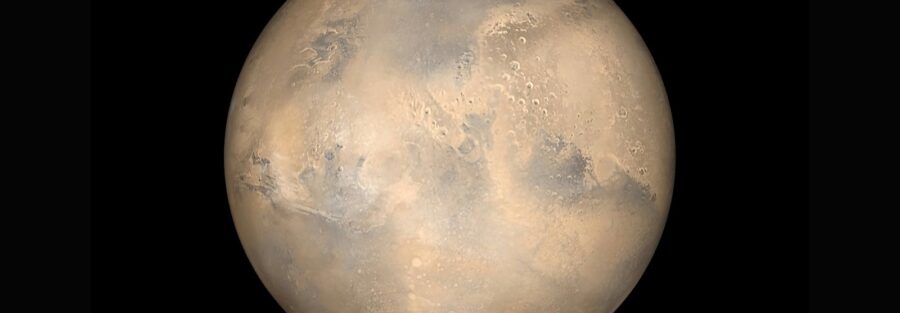
- Serpentinisation is not limited to Earth. It is believed to occur on other planetary bodies, such as Mars and icy moons like Europa and Enceladus. The presence of serpentinisation on these bodies suggests the potential for subsurface life, making it a focus of astrobiological studies.
- Serpentinisation significantly alters the physical properties of Earth’s crust. The process increases the volume and decreases the density of the rock, which can affect tectonic activity and the stability of geological formations. This transformation can also create distinctive landforms, such as serpentinite mountain ranges and hydrothermal vent systems.